Notebook
Inspiration
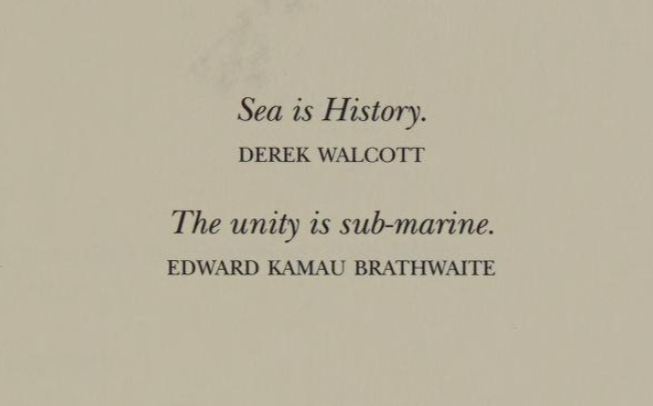
Sea is History.
Derek Walcott
The unity is sub-marine.
Edward Kamau Brathwaite
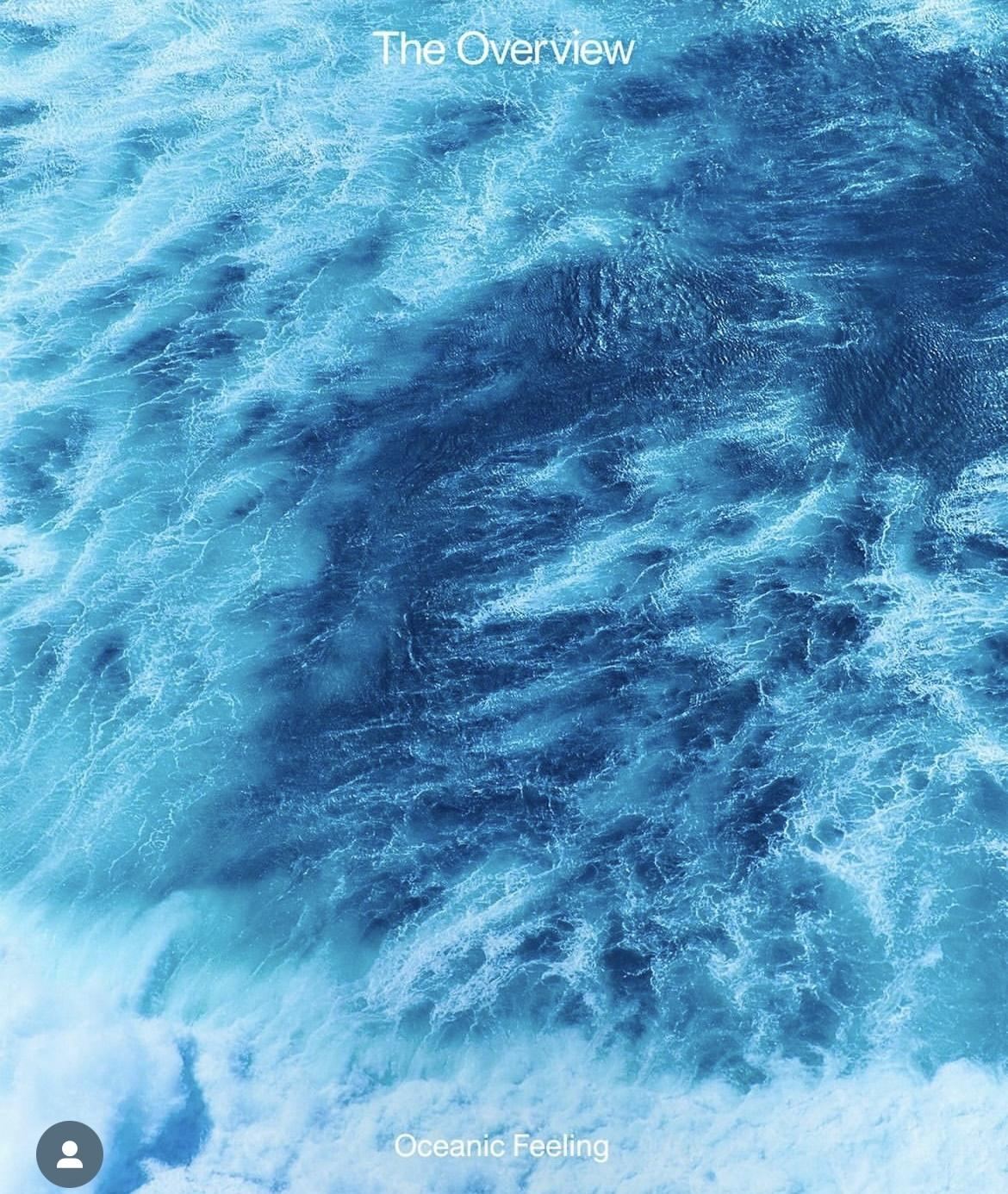
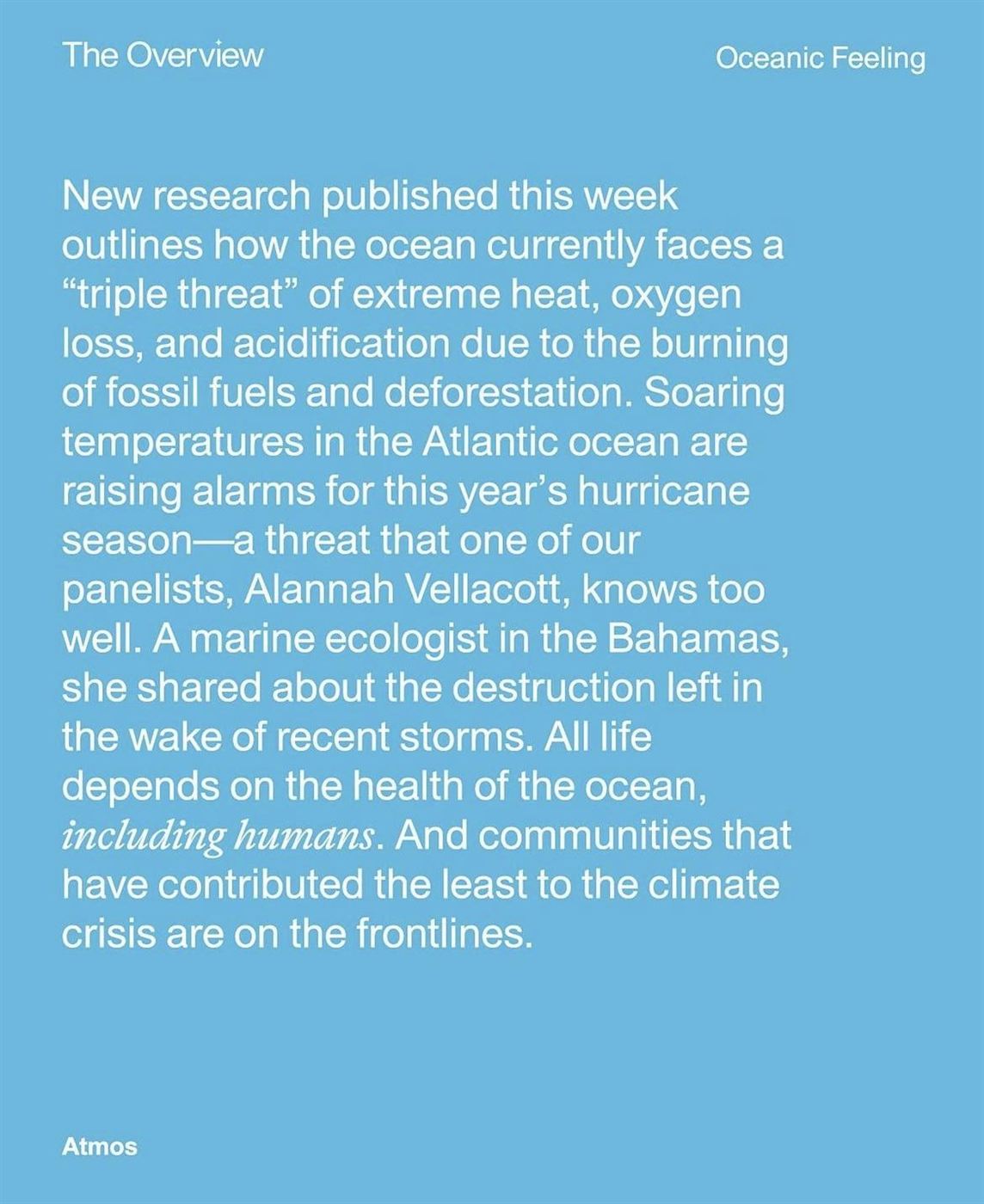
This page is not an argument. It is the pile of things the project grew out of: pages photographed in books, poems that would not leave, an encyclopaedia entry read at eleven at night, water filmed because it was doing something that seemed to matter. Some of it became method. Most of it stayed atmosphere, which is its own kind of use.
The sea as a place things came from
Before it was a stimulus or a signal, the sea was the thing everything else emerged out of. That is not a metaphor the project invented; it is one it inherited.

I was reading a scientific article
Atwood gets to the project's problem before the project does. A brain photographed, full of branches; a seascape with corals and shining tentacles; the same shapes turning up on both sides of the skull. The poem does not argue that the resemblance means anything. It just refuses to let go of it.
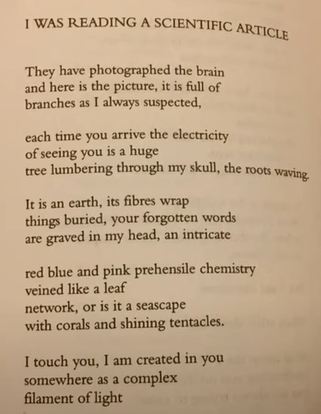
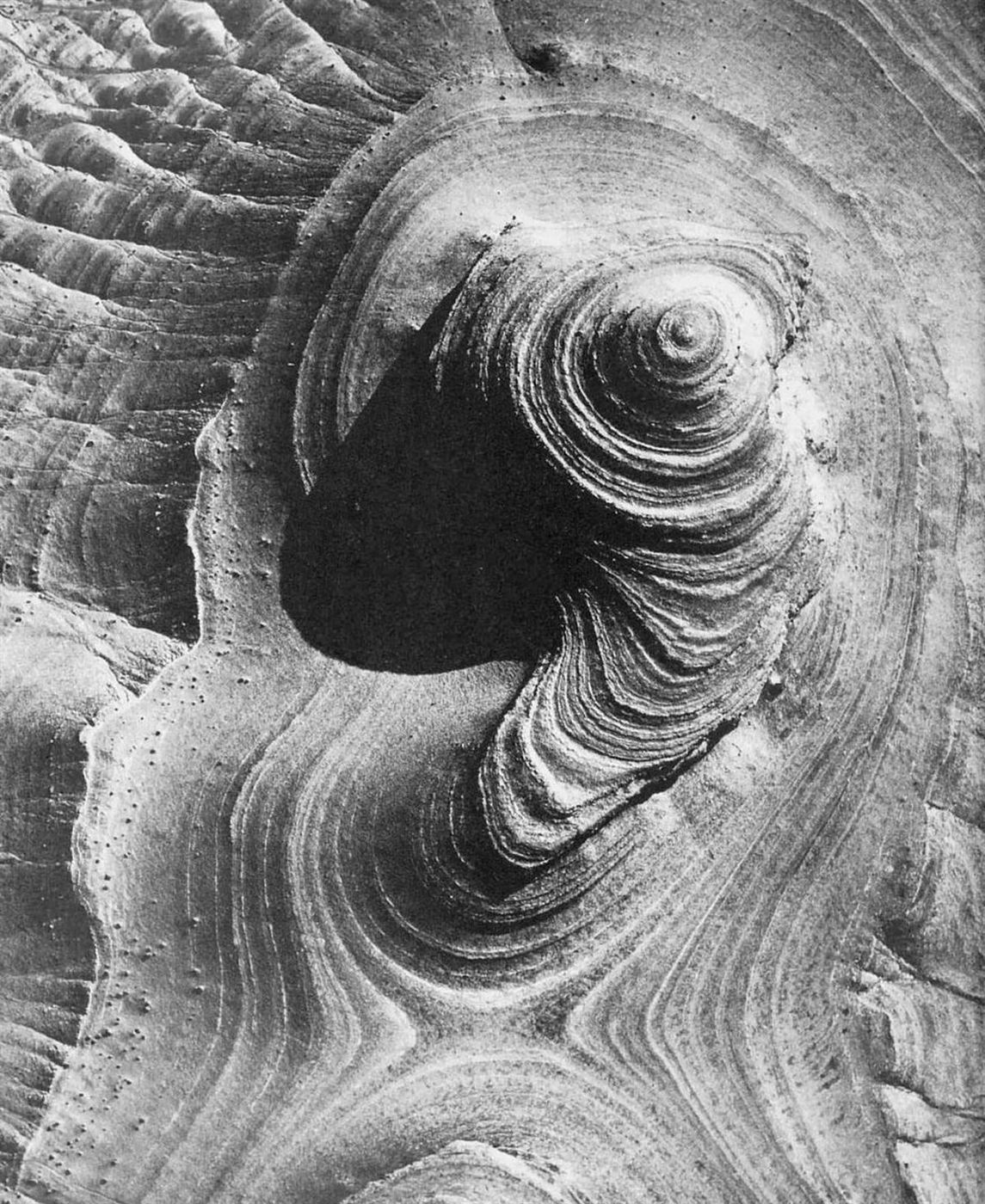
I touch you, I am created in you somewhere as a complex filament of light.
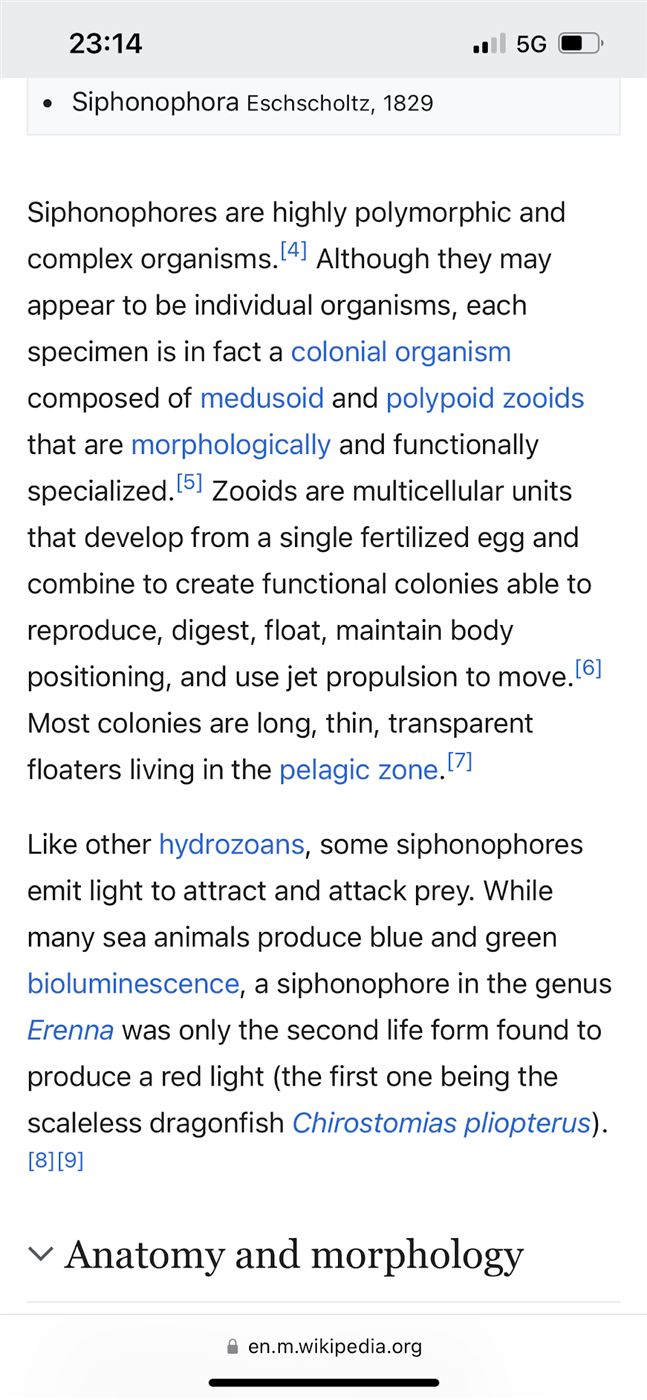
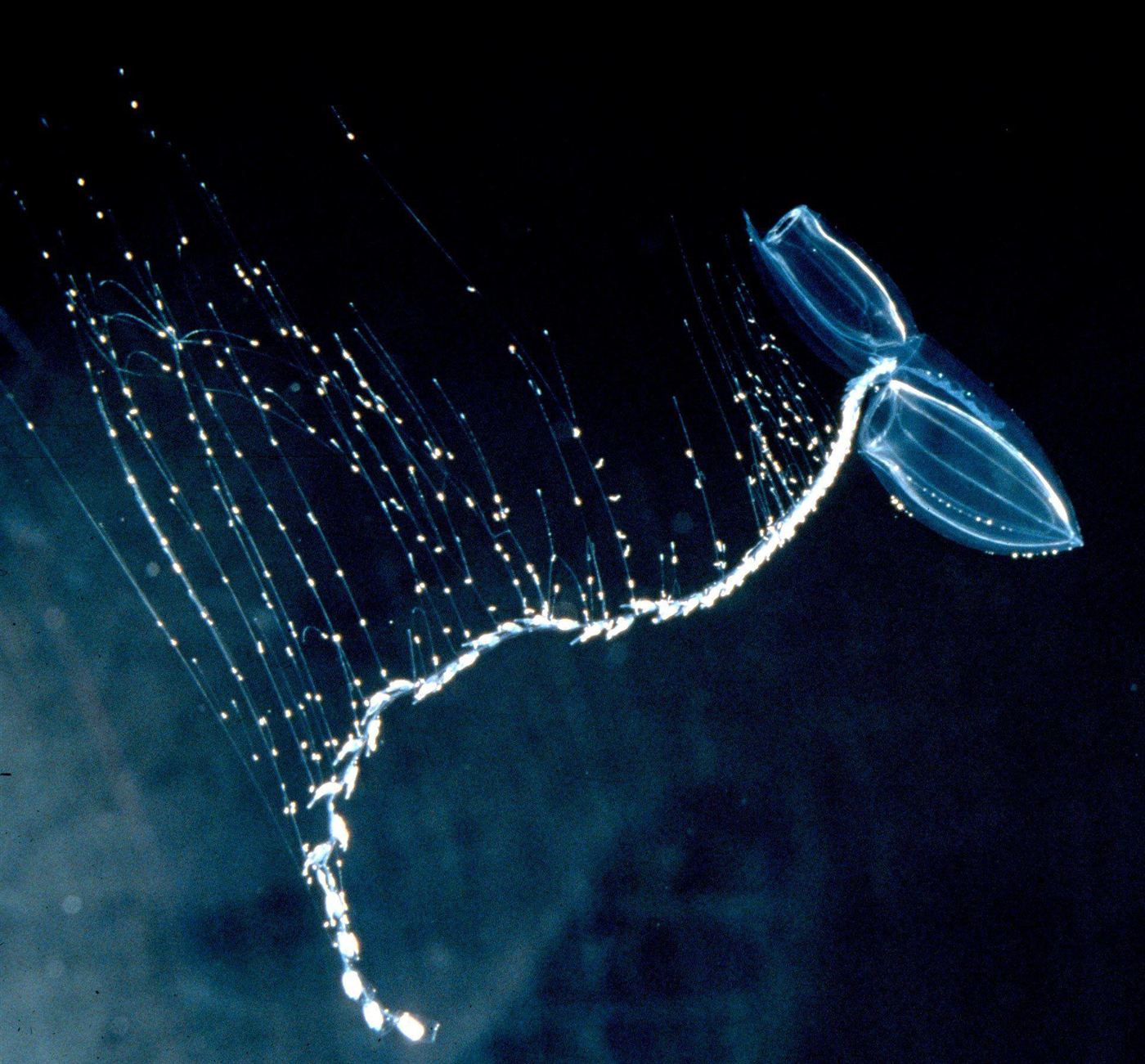
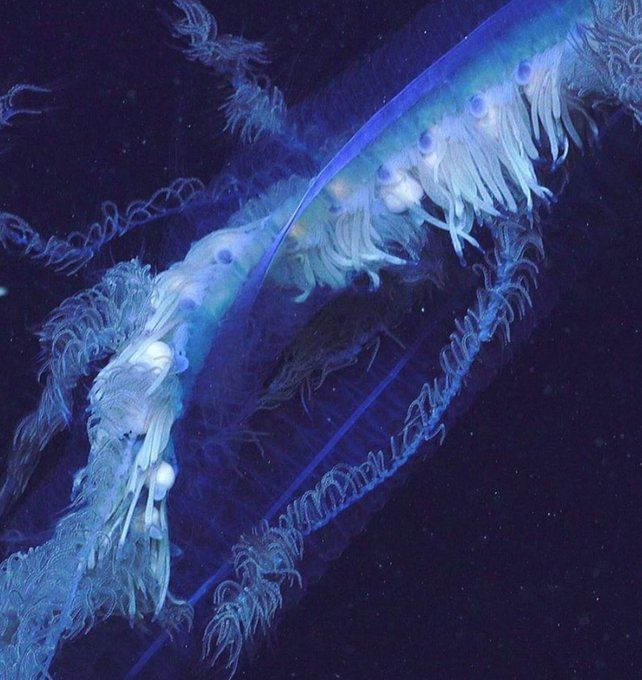
Siphonophores, or how many things become one thing
A siphonophore looks like an animal and is a colony. Its parts are separate organisms, specialised past the point of being able to live alone, cooperating closely enough that calling the result one creature or many is a matter of where you stand. It is the clearest picture anyone has offered of what coupling might mean when it goes all the way down.
The essence of rhythm
Susanne Langer, on why breaking surf is the grandest expression of rhythm most people ever meet. Her point is precise and it is the one the whole method rests on: rhythm is not periodicity. A thing is rhythmic when the ending of one event prepares the next.
The essence of rhythm is the preparation of a new event by the ending of a previous one.
In a surf field each comber rolling in is shaped by the undertow flowing back, and hurries the recession of the previous wave by suction. There is no dividing line between the two events, and a breaking wave is still as definite an event as one could wish to find. Breathing works the same way: exhaling and inhaling prepare one another. Nothing here is a metronome, and everything here is rhythmic.
Outside and inside are one. The whole symphony of sensations fades away into one tone, all senses become one sense, which is one with feeling; the world expires in the soul and the soul dissolves in the world.
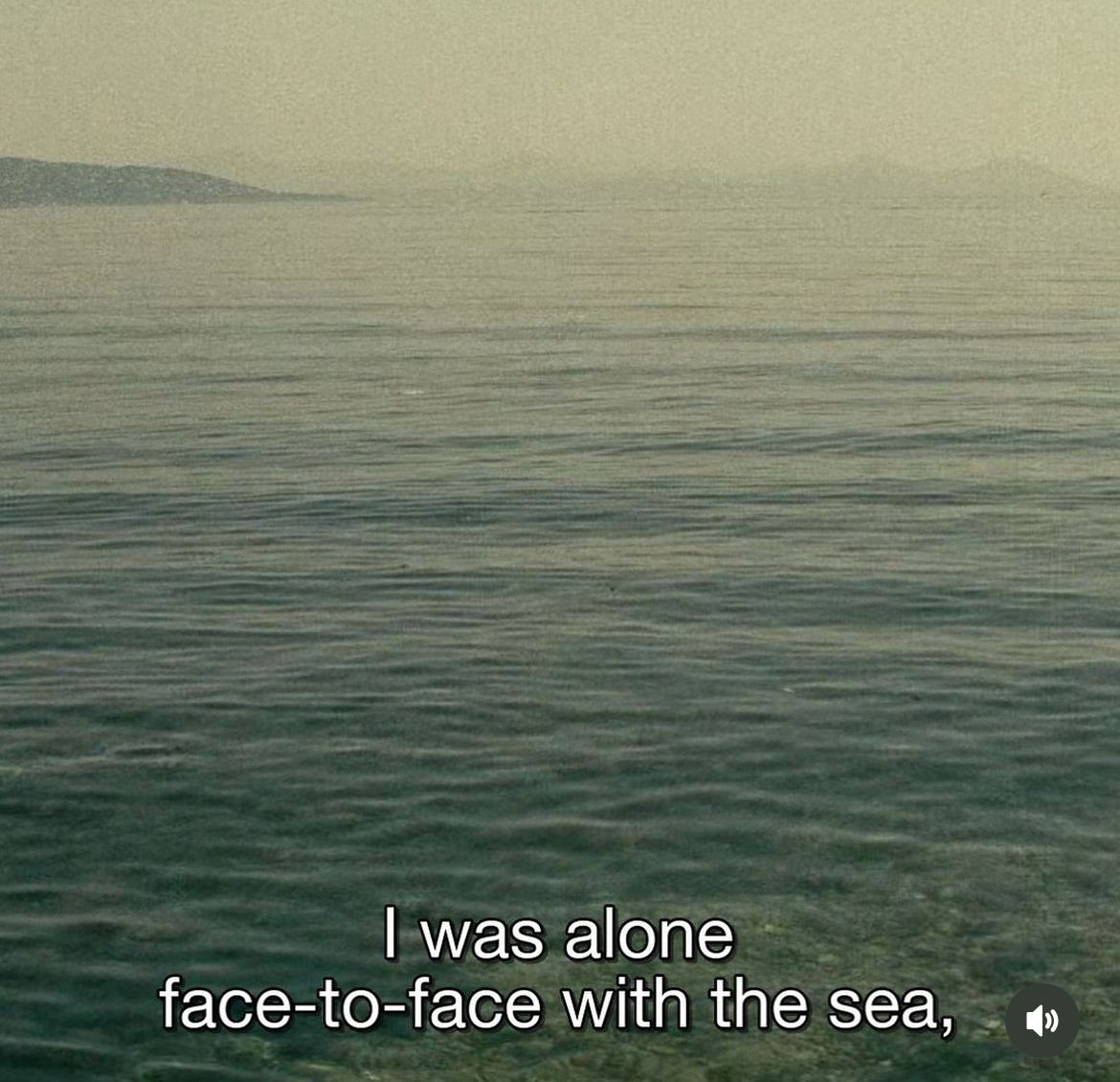
Beauty, with the faint bitterness of eternity
Max Rieser, writing in 1955, on where our ideas about beauty come from. Thomas Mann's philosopher, the one who first suspected that time might be an illusion, is walking by the sea when it occurs to him. Both are making the same claim: that the categories we think with were shaped by looking at this.
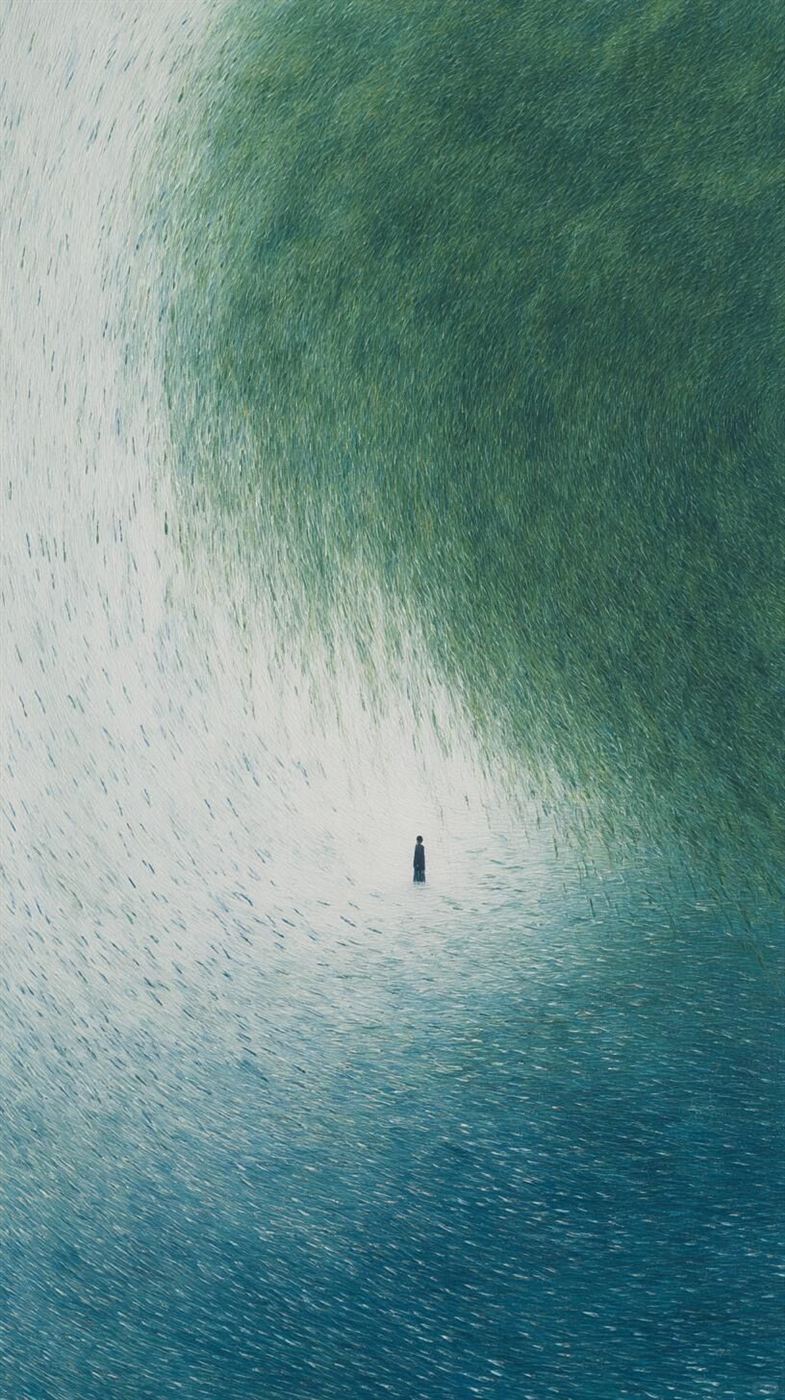
Walking by the sea, with the faint bitterness of eternity upon his lips.
All our ideas about beauty have their root in the contemplation of nature, Rieser writes, and in the evolution of the thought generated by that contemplation through the ages. If that is right then a project measuring how a body tunes to a place is not studying an unusual experience. It is studying the ordinary one that everything else was built on top of.
Keep on sailing
Less rigorous and kept anyway, because a moodboard that only holds citable things is a bibliography.
Because there is nothing more beautiful than the way the ocean refuses to stop kissing the shoreline, no matter how many times it is sent away.
Our lives move at the rhythm of the moon. Each tide in reveals new possibilities and each tide out casts water spells of healing. The ocean teaches patience, openness, change and freedom, and the sea, as Riordan has it, does not like to be restrained. Eyes on the horizon, heart open.
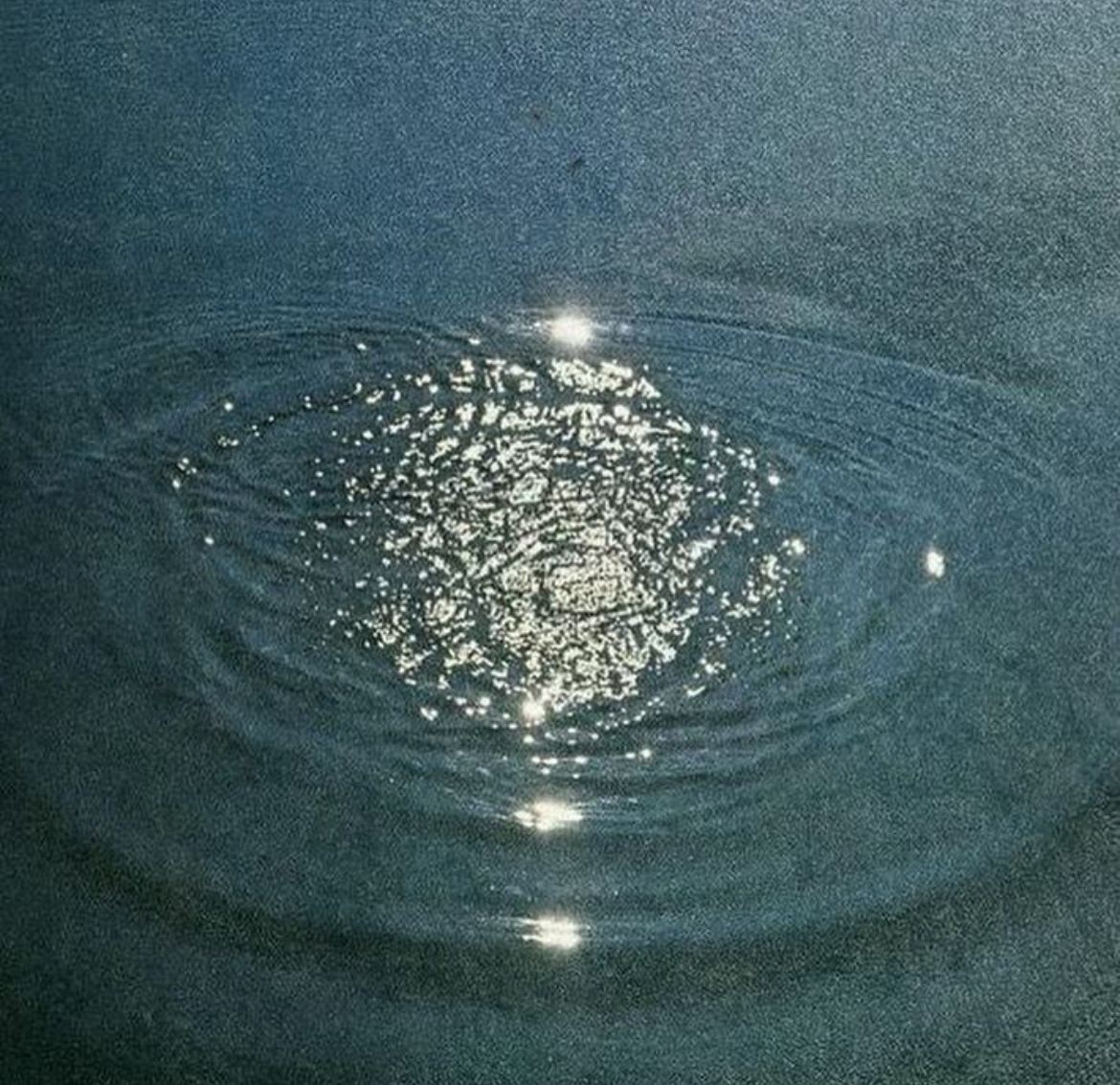
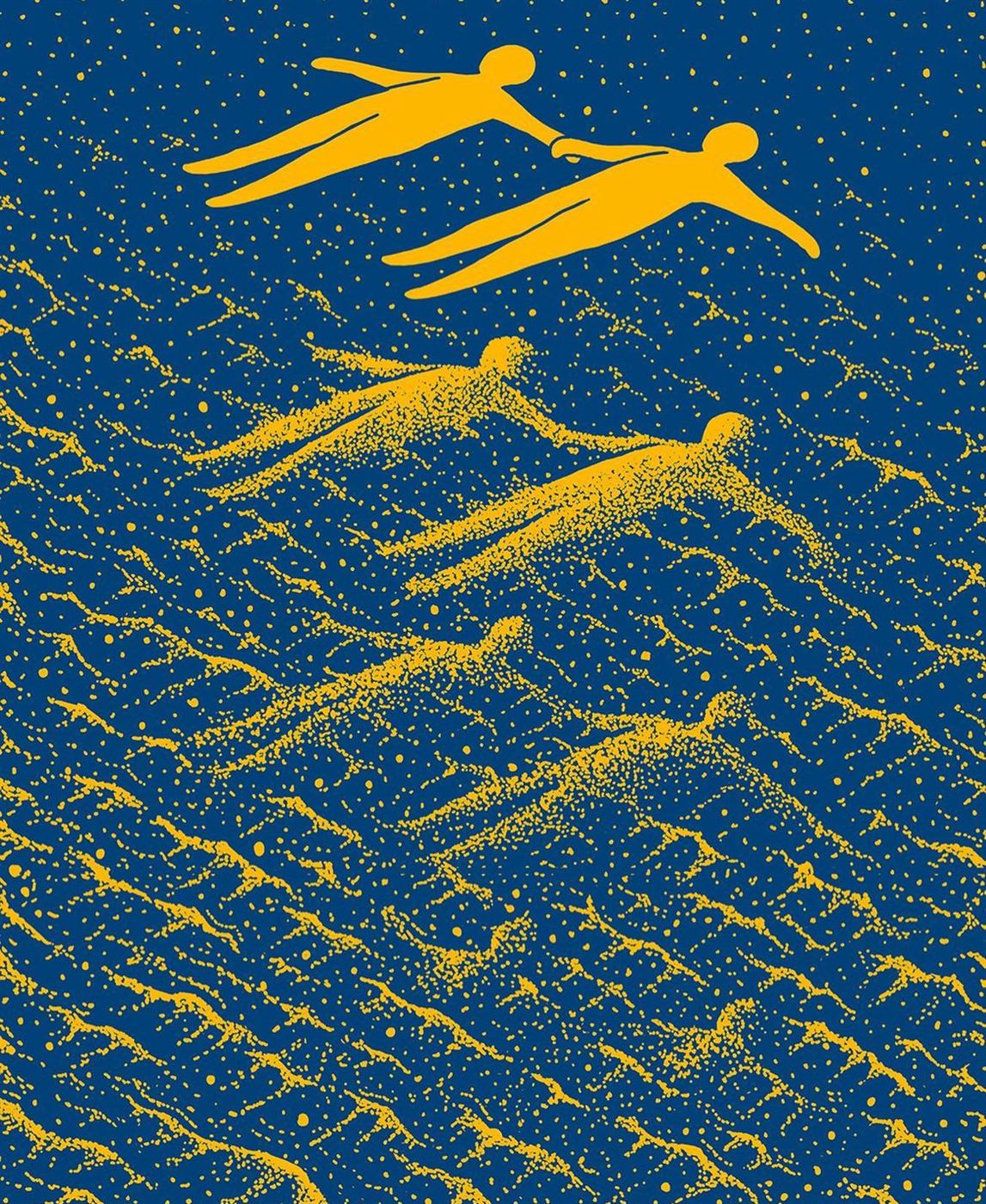
A very female sea
For two and a half billion years everything alive floated in the same womb-like ocean, nourished by its chemistry and rocked by lunar tides. Darwin thought the menstrual cycle started there, echoing the moon-pulse of the sea. Life did not gestate inside any creature; it gestated inside the ocean that contained all of it.
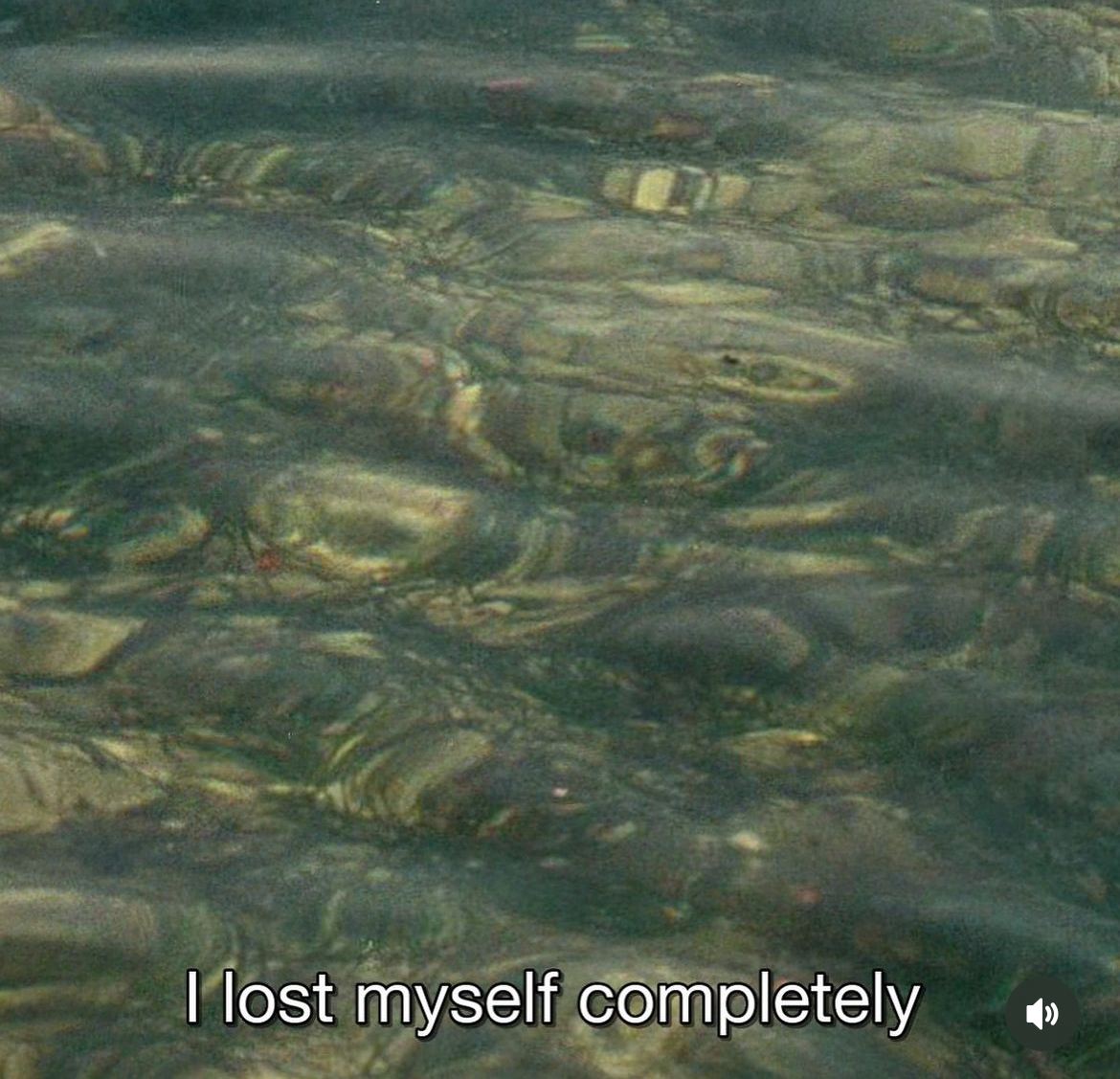
Image to be added
The screenshot for this trail, the one pairing the passage with footage of water on rock, is not in the repository yet. Drop the file into public/inspiration/ and it can be placed here.
Loose sheets
Kept without a thread yet.
Photographs of pages are reproduced here as they were collected, with the source named wherever it was known. Everything quoted belongs to its author. If this section goes public, the longer passages are worth a permissions check first; short quotations with attribution are a different matter from a full page reproduced as an image.